Pre Competition checks
It is important that competitors complete pre-event checks of each piece of safety equipment before they head out on track.
Dear Colleagues,
It is important that competitors complete pre-event checks of each piece of safety equipment before they head out on track.
Drivers and Co-Drivers should follow this list of checks for each piece of safety equipment before the start of any practice, race session or rally stage to prevent injury:
1 - Arm the plumbed-in fire extinguisher system and remove safety pin of hand-held fire extinguisher
Before taking part in any on-track session competitors must:
• Arm the plumbed-in fire extinguisher system in case of electrical activation.
• Remove the Fire Extinguisher Safety Pin from the plumbed-in fire extinguisher system and handheld fire extinguisher before they enter a special stage or circuit.
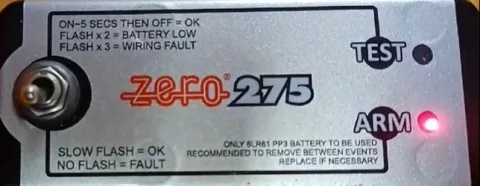
System armed – ready to be used
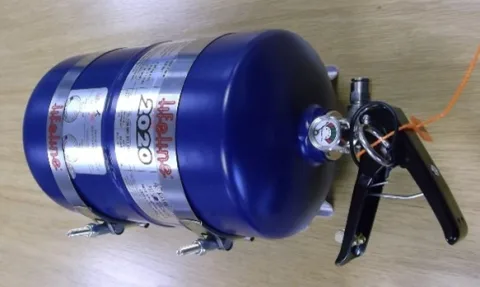
System with safety pin - not ready to be used
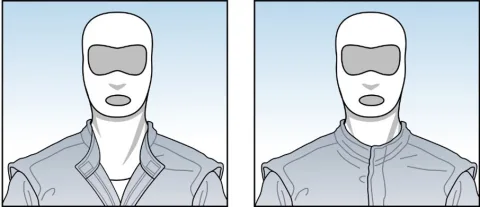
2 – Balaclava under the overall
The neck, wrists and ankles should always be covered by at least two pieces of protective clothing. Competitors must ensure the fireproof balaclava must be tucked under the racing suit overalls to avoid direct contact with flames on the drivers skin, and that the garments are not too tight as this reduces the level of protection.
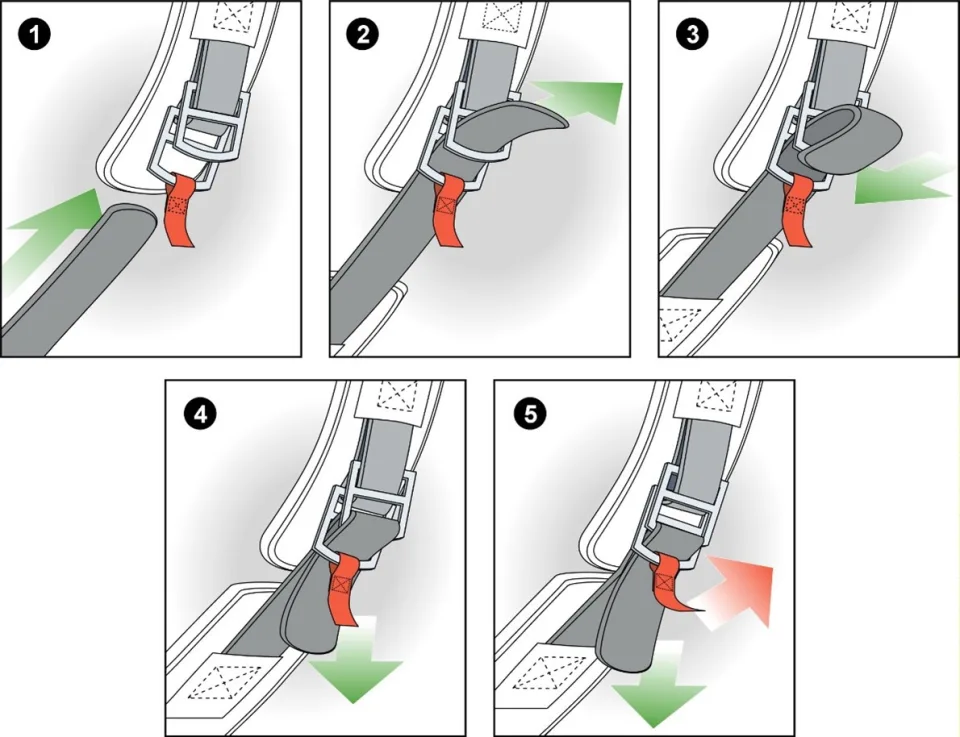
3 – Tighten the helmet strap
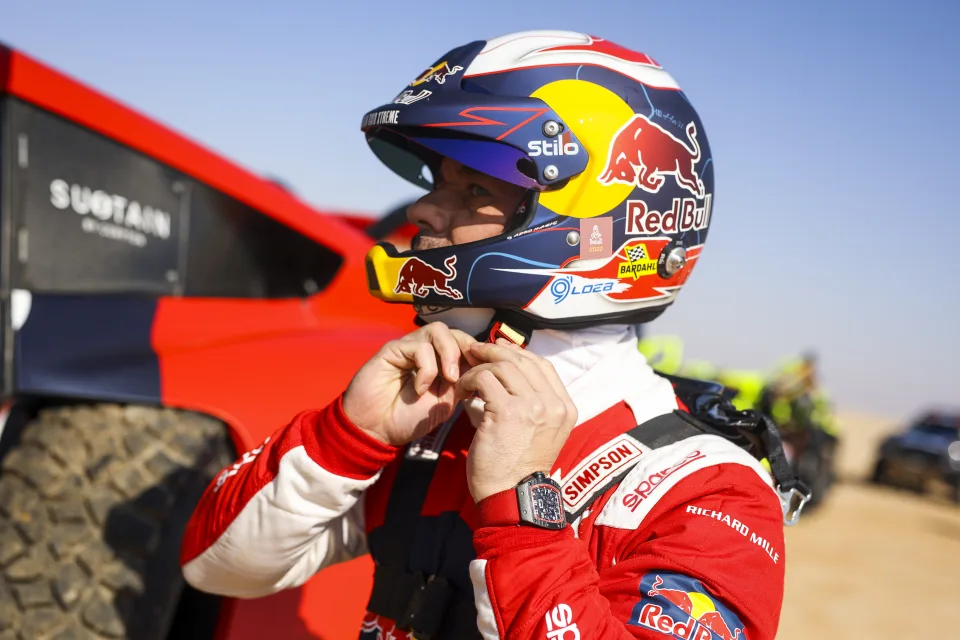
It is important that the helmet chin strap is properly routed and tightened at all times. The main protection that FIA Homologated helmets deliver is to the head and neck and this is only achievable if the helmet is properly tightened. If this is not the case it may come off the head during an accident and stop the safety applications working correctly.
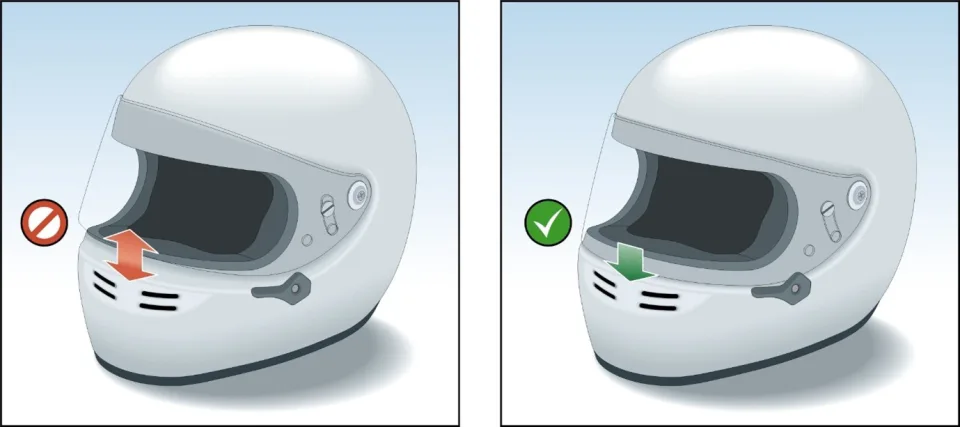
4 – Full face helmet visor
It is important to ensure the helmet visor remains properly closed and locked at all times to avoid the visor opening during an impact and the drivers face being exposed to debris/flames.
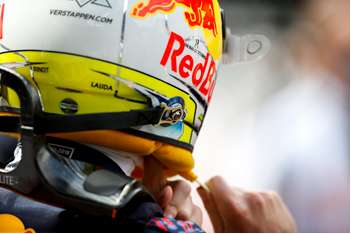
5 - Connect the Frontal Head Restraint device Tether to the Helmet
A Frontal Head Restraint (FHR) restrains the driver’s head during a frontal or angled-frontal impact, reducing the loads to the head and neck. To enable the FHR to work efficiently, the FHR tether must be connected to the anchorage points using the clips on both sides of the helmet at all times.
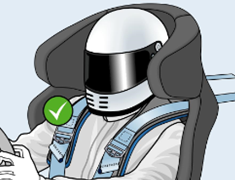
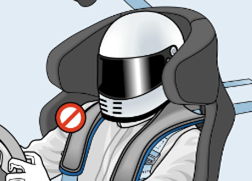
6 - Ensure that the FHR device is positioned under the harness shoulder straps
It is very important that the harness shoulder straps are over the FHR device to enable it to provide the correct protection. Below is a diagram for showing best practice for this installation:
7 - Tighten the belts
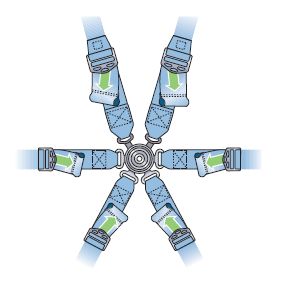
All straps of the safety harness must be connected properly to provide optimum protection in an impact. Studies performed by the FIA Safety Department have demonstrated that safety harness tension is important to reduce the risk of serious injuries and for the correct functioning of the Frontal Head Restraint (FHR) device.
The FIA has warned that officials can deny competitors to enter the racetrack and special stage if the driver and/or co-driver do not install their safety equipment properly.
You can check more details through the FIA International Sporting Code under Appendix J and Appendix L, FIA Guide and installation specification for HANS® devices in racing competition, FIA Guide and installation specification for Hybrid & Hybrid Pro devices in racing competition, and specific championship technical and sporting regulations.
We encourage you to share this information with your technical delegates, scrutineers and competitors. To assist you we have provided the following post for your social media channels (along with this image) so that your motor sport communities are aware of this important information:

Social Media Post
(Please feel free copy and paste this for use on your social media channels)
It is important that competitors go through pre-event checks of safety equipment to ensure that it is being used properly. This ensures the desired protection in an accident with no negatives consequences. You can view the checklist here: http://bit.ly/pre-event-safety #FIAVisionZero
Best regards,
FIA Safety Department