The role of officiating as a marshal
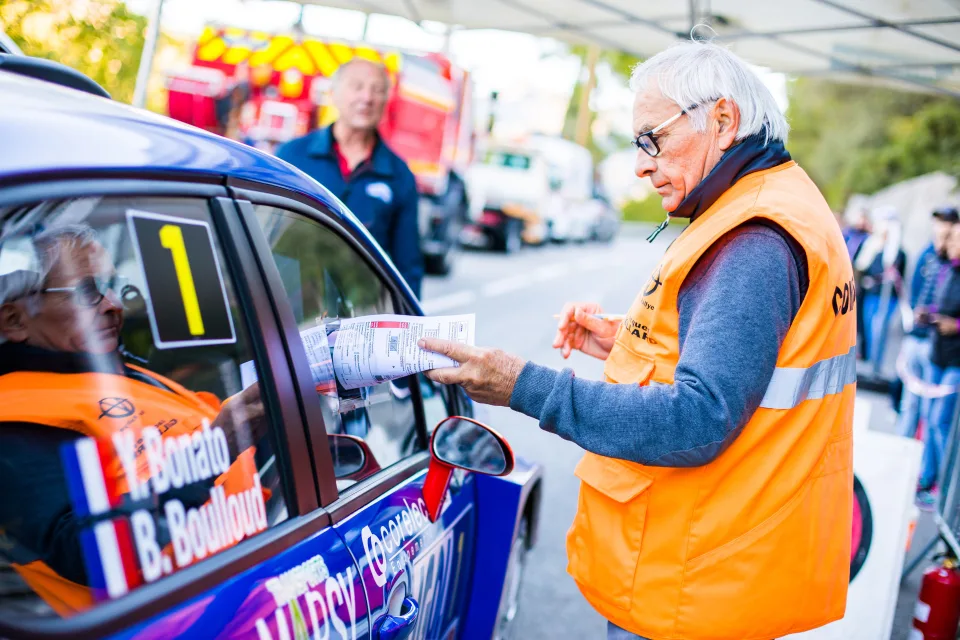
The role of officiating as a marshal at a motor sport event can be exciting, challenging and rewarding, but only if carried out in a safe manner.
Dear colleagues,
The role of officiating as a marshal at a motor sport event can be exciting, challenging and rewarding, but only if carried out in a safe manner.
We encourage all marshals to exercise common sense to ensure that everybody enjoys our sport while minimising risks, hazards, and unnecessary exposure to danger by considering the following advice:
1. Make sure you are standing up, fully alert, and facing oncoming traffic at all times while the track or special stage is live for competition.
2. Expect the unexpected. Be prepared for any situation that may arise, even during safety car procedures, on a formation lap or after the chequered flag.
3. Always have an escape plan in place. Remember, your primary consideration must be to protect yourself from danger. We need you to stay safe so that you can be in a position to help anyone else that is in trouble, from competitors to spectators to your fellow marshals.
4. Do not lean on any guardrail, concrete blocks, or debris fences as they are designed to move when hit by competing vehicles.
5. Do not move in front of barriers unless instructed to do so by the Clerk of the Course or your Senior Marshal, and only remain exposed trackside for the absolute minimum time necessary to complete your task.
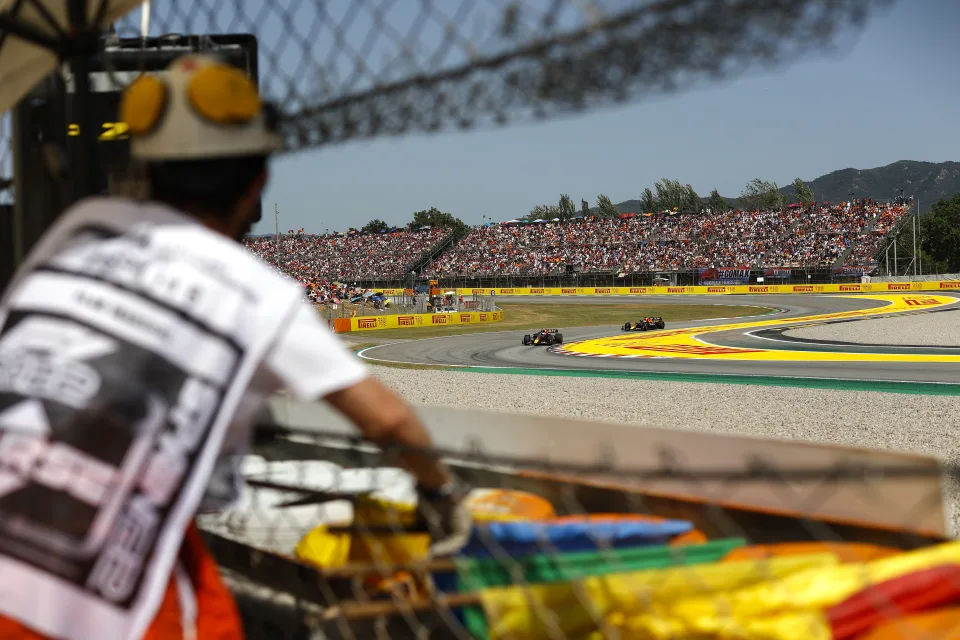
6. Always check and double check the status of the track or special stage (live, open/closed or hot/cold) before entering the racing surface.
7. Be careful when climbing over barriers and while climbing up or jumping down from protective earth banks. Check that the appropriate flag signals are being shown for your protection, and double check that there is still a need for you move in front of the barriers or onto the stage.
8. Attend all safety and operational briefings and follow instructions from Senior Officials.
9. Be prepared. Protect yourself from extremes of weather, sunburn, hearing damage, dust, and dirt in your eyes. Wear suitable footwear for your duties, and gloves if you are likely to be handling hot or sharp debris.
10. If in doubt at any time, seek advice from your Senior Officials.
Social Media Post
(Please feel free to copy and paste this for use on your social media channels)
Dear colleagues,
The role of officiating as a marshal at a motor sport event can be exciting, challenging and rewarding, but only if carried out in a safe manner.
We encourage all marshals to exercise common sense to ensure that everybody enjoys our sport while minimising risks, hazards, and unnecessary exposure to danger by considering the following advice:
1. Make sure you are standing up, fully alert, and facing oncoming traffic at all times while the track or special stage is live for competition.
2. Expect the unexpected. Be prepared for any situation that may arise, even during safety car procedures, on a formation lap or after the chequered flag.
3. Always have an escape plan in place. Remember, your primary consideration must be to protect yourself from danger. We need you to stay safe so that you can be in a position to help anyone else that is in trouble, from competitors to spectators to your fellow marshals.
4. Do not lean on any guardrail, concrete blocks, or debris fences as they are designed to move when hit by competing vehicles.
5. Do not move in front of barriers unless instructed to do so by the Clerk of the Course or your Senior Marshal, and only remain exposed trackside for the absolute minimum time necessary to complete your task.
6. Always check and double check the status of the track or special stage (live, open/closed or hot/cold) before entering the racing surface.
7. Be careful when climbing over barriers and while climbing up or jumping down from protective earth banks. Check that the appropriate flag signals are being shown for your protection, and double check that there is still a need for you move in front of the barriers or onto the stage.
8. Attend all safety and operational briefings and follow instructions from Senior Officials.
9. Be prepared. Protect yourself from extremes of weather, sunburn, hearing damage, dust, and dirt in your eyes. Wear suitable footwear for your duties, and gloves if you are likely to be handling hot or sharp debris.
10. If in doubt at any time, seek advice from your Senior Officials.
#FIASafety #FIAVisionZero
Best regards,
FIA Safety Department